Academic Staff

April 29, 2026, 10:29 a.m.
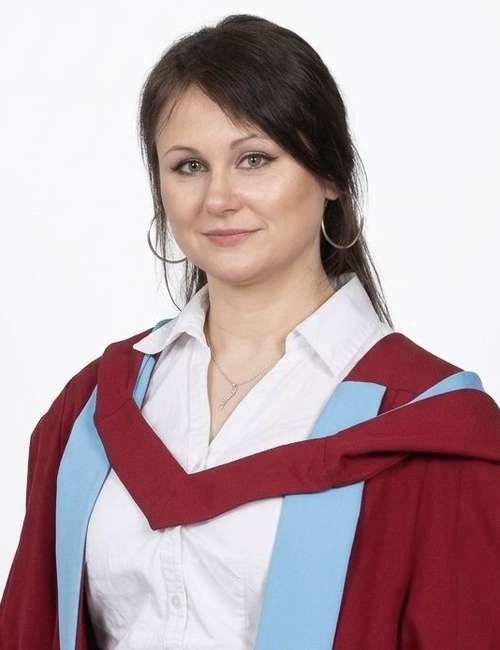
Nafal Jamil Sadiq Barwary (PhD)
Lecturer
Lecturer in Diagnosis of infectious diseases and allergy

Biology
College of Science
University of Duhok

  • BSc degree awarded in Biology, University of Mosul, Iraq.
  • MSc degree awarded in Immuno-parasitology, University of Mosul, Iraq.
  • PhD Degree awarded in Molecular Parasitology, The University of Nottingham, UK.

During my career, I was responsible for delivering sessions and teaching undergraduate students in the School of Medicine and the School of Science at the University of Duhok (UOD) for more than 13 years in Kurdistan Region of Iraq. I also worked as a teaching assistant for 4 years to teach undergraduate students in the School of Pharmacy at the University of Nottingham.

I have been extensively trained in the laboratory diagnosis of malaria in the Public Health England Malaria Reference Laboratory at the London School of Hygiene and Tropical Medicine (LSHTM). Therefore, I worked as an assistant lecturer to teach undergraduate students at the School of Pharmacy, the University of Nottingham on the Virology and Parasitology Infection module. In addition, I attended several courses to build and maintain my public speaking, communication and presentation skills at the University of Nottingham.

Moreover, during the 13 years of my employment in the School of Medicine and the School of Science at the UOD, I was working as a lecturer to deliver lessons in General Biology, Parasitology, Virology, Zoology, Histology, General Invertebrates and Medical Entomology.

Research

  • Ismael S, Ahmad B, Barwary N, Sulivany B, Khodher H, Nori M, Obaidullah N, Agha S (28th August 2025). Epidemiological Assessment of Head Lice Among Primary School Children in East Duhok, Iraq. Egyptian Academic Journal of Biological Sciences E Medical Entomology & Parasitology. 17 (2): p. 23-32. ISSN: 2090–0783 DOI: 10.21608/EAJBSE.2025.449875.
  • Ismael S, Barwary N (June 2025). Innovative Approaches: Nanotechnology and Nanomedicine in the Fight against Hydatid Disease. In book: Nanobiotech in Holistic Health: Innovations for Integrated Well-being. Unique Scientific Publishers. p. 257- 263. DOI: 10.47278/book.HH/2025.308.
  • Ismael S, Barwary N, Mustafa S (13th May 2025). The Impact of Probiotics as Alternative Medication for Amoebiasis. In book: Aadil RM, Salman M, Mehmood K and Saeed Z (eds), Gut Microbiota and Holistic Health: The Role of Prebiotics and Probiotics. Unique Scientific Publishers. p. 150-154. https://doi.org/10.47278/book.HH/2025.287.
  • Ismael S, Barwary N, Ahmed B, Marof K, Khwasti S, Lavu K, Hassan K, Ali H (10th March 2025). Prevalence of Scabies and its related risk factors in Duhok City, Iraq. Ain Shams Medical Journal. 76 (1): p. 230-236. DOI: 10.21608/asmj.2025.314772.1302.
  • Ismael S, Sadiq A, Barwary N (31st August 2024). Why did the Monkeypox virus raise its head again in 2024? Biological Times. 3 (8): p. 21-22.
  • Barwary N, Prakash P, Weber M, Wan D, Conejeros I, Moreira B, Alharbi W, van Hellemond J, Akinwale J, and Falcone FH (2022). The Humanised NPY-mRFP RBL Reporter Cell Line Is a Fast and Inexpensive Tool for Detection of Allergen-Specific IgE in Human Sera. Diagnostics/ Novel Approaches for Diagnosis of Parasitic Disease. 12 (9): p. 2063. DOI: 10.3390/ diagnostics 12092063.
  • Barwary N, Wan D, and Falcone FH (2020). NPY-mRFP Rat Basophilic Leukemia (RBL) Reporter: A Novel, Fast Reporter of Basophil/ Mast Cell Degranulation. Methods in Molecular Biology. 2163: p.163-170. DOI: 10.1007/978-1-0716-0696- 4_13.
  • Falcone FH, Wan D, Barwary N, and Sagi-Eisenberg R (2018). RBL Cells as Models for in Vitro Studies of Mast Cells and Basophils. Immunological Reviews. 282: p. 1-11. DOI: 10.1111/imr.12628.
  • Barwary N, Falcone FH (2018). Use of RS-ATL8 NFAT Reporter System for Diagnosis of Hydatid Diseases. PhD Thesis, University of Nottingham, United Kingdom.
  • Wan D, Ludolf F, Alanine DGW, Stretton O, Ali E, AL-Barwary N, Wang X, Doenhoff MJ, Mari A, Fitzsimmons CM, Dunne DW, Nakamura R, Oliveira GC, Alcocer MJC, Falcone FH (2014). Use of Humanised Rat Basophilic Leukemia Cell Line RS-ATL8 for the Assessment of Allergenicity of Schistosoma mansoni Proteins. PloS Negl Trop Dis. 8 (9): e3124. DOI: 10. 1371/ journal. Pntd. 0003124.
  • AL-Barwary N (2012). Protection Against Toxoplasmosis in Swiss Albino Mice Immunized with Attenuated Toxoplasma gondii. Journal of Kirkuk University-Scientific Studies. 7 (1).
  • AL-Barwary N (2007). Pathological Effect of Irradiated Toxoplasma gondii and It’s Immune Response in Albino Mice. MSc Dissertation, University of Mosul, Mosul, Iraq.

I am a PhD holder from the School of Pharmacy, University of Nottingham, where my research was focused on developing novel cellular reporter systems for diagnostic purposes. My research project was, also, emphasis on biochemical engineering, molecular cell biology, gene manipulation and editing strategies, protein biosynthesis and cell culture using a wide range of analytical techniques. The aim of my PhD research project was to study the function and allergenicity of some recombinant parasitic proteins for diagnostic purposes and vaccine development using generated humanised rat basophilic leukaemia (RBL) cell lines, RS-ATL8 NFAT and NPY-mRFP-RBL using two different reporter systems, luciferase and fluorescence, respectively.

I have obtained extensive laboratory experience during my undergraduate, Master and PhD studies. During my PhD, I gained considerable experience in molecular biology approaches, such as PCR techniques, primer designing, mutations, DNA editing and manipulating, amplification, restriction digestion and ligation, cloning genes into different cloning and expression vectors, DNA verification, sequencing, analysing and gene purification. In addition, I have extensive experience in protein synthesis using different expression systems, such as those using cell-free wheat germ lysate, bacterial and mammalian expression systems using human embryonic kidney (HEK293) cell line, and protein purification using different methods of IMAC. This mainly involved expressing and purifying few recombinant Echinococcus and Schistosoma antigens and allergens for screening in the RS-ATL8 NFAT-Luciferase reporter cell line, which utilises IgE cross-linking using plate-reader based assays (immunoluminescence assay). My PhD research project, also, included gene manipulation and editing strategies to overcome the issue of rare codon usage in the expression hosts.

In addition, my work involved gene delivery strategies for developing a novel humanised rat basophilic leukaemia (NPY-mRFP-RBL) reporter system to allow human IgE binding to its own receptor (HsFceRI) on the surface of the rat cells. Fluorescence microscopy, confocal microscopy, fluorescence assay and flow cytometry analysis were utilised to verify the successful transfection.

Moreover, I have a great experience in nucleotides and peptides sequences analysis using different software such as NCBI and SnapGene, which will give a prediction of what is likely to happen. Furthermore, I have great experience in DNA and protein detection and verification using many different detection strategies such as Gel Electrophoresis, SDS-PAGE, Coomassie gel staining, Silver Staining, Western Blot and FUJI-LAS 4000 imaging system. I have also an excellent experience in using optical and fluorescence microscopies, and plate reader for detecting and measuring the luminescence and fluorescence and analysing data.

In my MSc thesis entitled "Pathological Effect of Irradiated Toxoplasma gondii and its Immune Response in Albino Mice", I studied the development of the immune response against toxoplasmosis in Swiss albino mice of the species Mus musculus, BALB/c strain, which were infected, experimentally, with Toxoplasma gondii in order to render the host to resist an infection with this disease in the future. The histopathological changes, humoral immune responses, represented by IgM and IgG; and an innate (non-specific) immune response, represented by phagocytosis were studied in the experimentally infected mice with the parasite Toxoplasma gondii. During my study, animals colonies were grown and maintained. Mice were, also, dissected in the laboratory to harvest tissues and isolate the parasitic cysts from different body organs.

I find that it is valuable to build strong relationships and collaborate with other professional academics at other universities, along with receiving mutual benefits for the team.

4th students' projects